
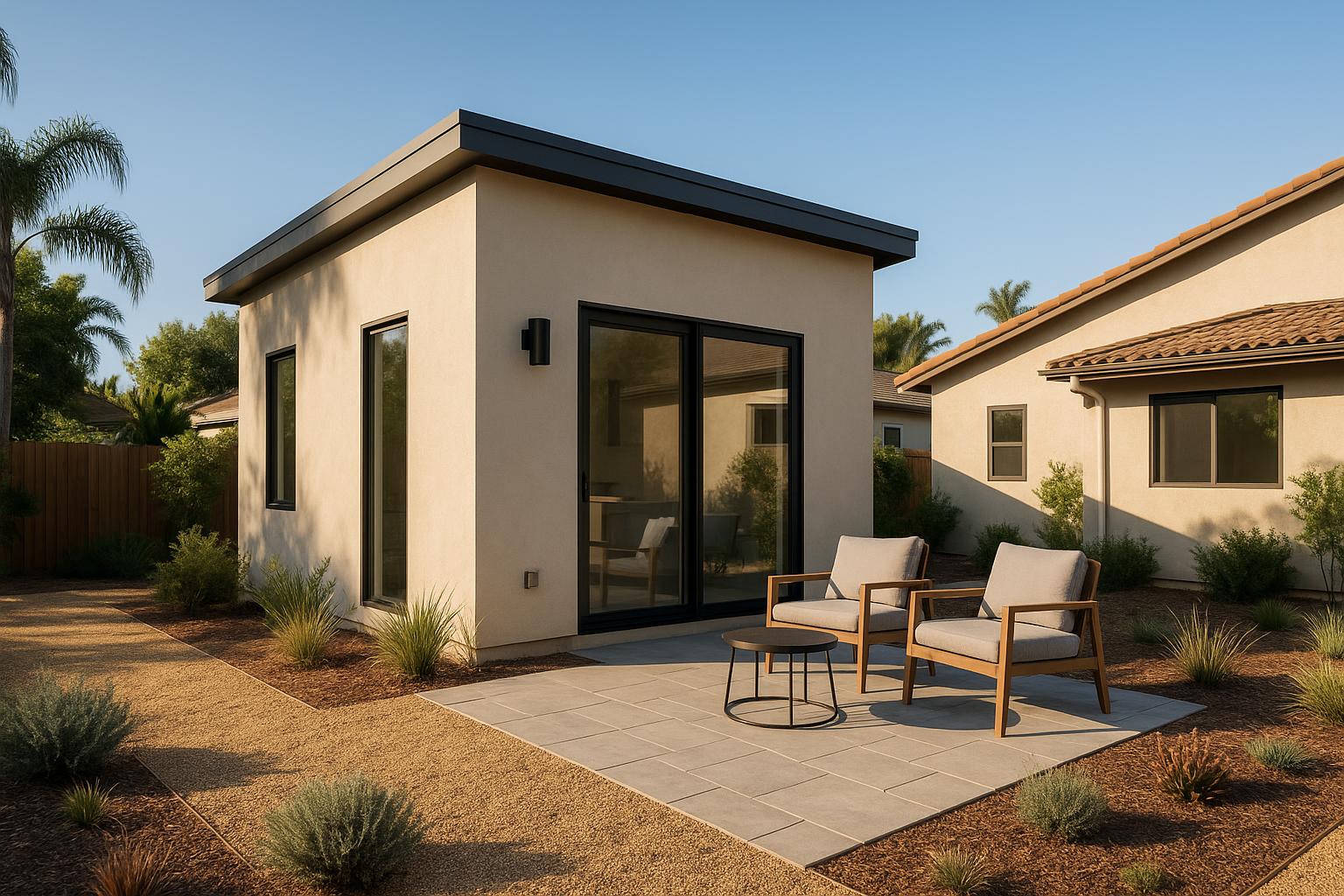
Why More San Diego Homeowners Are Building ADUs in 2025
Accessory dwelling units have gone from a niche housing trend to one of the most popular home improvement projects in Southern California. With housing costs continuing to climb and state legislation making it easier than ever to add a secondary unit, San Diego homeowners are recognizing the opportunity to generate rental income, house aging parents, or simply add long-term value to their property.
But building an ADU isn't as simple as sketching a floor plan and hiring a contractor. There are regulations to navigate, design decisions to make, and budgets to manage. If you're considering an ADU project this year, here's a comprehensive guide to help you move forward with confidence.
Understanding San Diego's ADU Regulations
California has been at the forefront of ADU-friendly legislation, and San Diego has followed suit with local ordinances that make the permitting process more streamlined than it was even a few years ago. Here are some key points to understand:
- Size limits: Detached ADUs can generally be up to 1,200 square feet for properties with a single-family home. Attached ADUs are typically limited to 50% of the existing home's living area, with a maximum of 1,200 square feet.
- Setback requirements: Rear and side setbacks for detached ADUs are typically four feet, though there are exceptions depending on your lot and local overlay zones.
- Parking: In most cases, no additional parking is required for an ADU, especially if your property is within half a mile of public transit — which applies to many neighborhoods in San Diego, La Mesa, and Chula Vista.
- Owner occupancy: As of current state law, owner-occupancy requirements have been relaxed for most ADUs, meaning you don't have to live on the property to rent out the unit.
Regulations can vary depending on your specific neighborhood, zoning, and whether your property falls within a historic district or coastal zone. It's always wise to work with a contractor who understands the local permitting landscape before committing to a design.
How Much Does It Cost to Build an ADU in San Diego?
This is the question we hear most often, and the honest answer is: it depends. ADU costs in the San Diego area can range significantly based on size, finishes, site conditions, and whether you're building a detached structure, converting existing space, or adding onto your home.
Here's a general breakdown to help you set expectations:
- Detached new construction ADU (400–1,200 sq ft): $150,000–$350,000+
- Attached ADU or home addition: $100,000–$250,000
- Garage conversion: $80,000–$180,000
- Junior ADU (conversion within existing home, under 500 sq ft): $50,000–$120,000
These ranges account for design, permitting, site preparation, construction, and finishes. High-end materials, complex site grading, or extensive utility work can push costs toward the upper end. On the other hand, a straightforward project on a flat lot with standard finishes can come in more affordably.
What Drives Costs Up?
Several factors can increase your ADU budget beyond the base construction price:
- Utility connections: Running new sewer, water, and electrical lines — especially if the city requires a separate utility meter — can add $10,000–$30,000 or more.
- Slope and grading: San Diego is known for its hilly terrain. If your lot requires retaining walls or significant grading, expect added costs.
- Soil conditions: Some areas in El Cajon, La Mesa, and National City have expansive soils that require specialized foundations.
- Custom design elements: Vaulted ceilings, premium cabinetry, and high-end appliances all add to the final price.
The ADU Construction Timeline: What to Expect
One of the biggest surprises for homeowners is how long the process takes from concept to move-in. Here's a realistic timeline for a typical ADU project in San Diego:
- Design and planning (4–8 weeks): Working with a designer or architect to create plans that meet your needs and comply with local codes.
- Permitting (6–16 weeks): The City of San Diego has made efforts to speed up ADU permits, but review times still vary. Having complete, code-compliant plans submitted from the start helps avoid costly delays.
- Construction (3–6 months): Actual build time depends on the size and complexity of the project, weather, and material availability.
In total, most homeowners should plan for 8 to 12 months from the first design meeting to a finished, permitted ADU. Starting the design process early in the year can help you take advantage of San Diego's mild building season.
Design Tips for a Successful ADU
A well-designed ADU feels like a real home, not an afterthought. Here are some design principles we recommend to our clients:
- Maximize natural light: Larger windows, clerestory openings, and thoughtful orientation can make even a compact unit feel spacious and inviting.
- Open floor plans: In smaller ADUs, combining the kitchen, dining, and living areas into one open space creates a sense of roominess without adding square footage.
- Smart storage: Built-in shelving, under-stair storage, and multi-functional furniture help keep a smaller space organized and livable.
- Private outdoor space: Even a small patio or deck gives the ADU its own identity and makes it more appealing to potential renters or family members.
- Match the main home: Using complementary materials, rooflines, and color palettes helps the ADU blend seamlessly with your existing property rather than looking like an add-on.
Is an ADU a Good Investment?
For most San Diego homeowners, the answer is yes — but the return depends on your goals. Here are the most common reasons people build ADUs and how the investment plays out:
- Rental income: A well-appointed one-bedroom ADU in San Diego can command $1,800–$2,800 per month or more in rent, depending on location and finishes. Over time, this income can offset or exceed your construction costs.
- Property value: ADUs consistently increase property values. Appraisers in California are now better equipped to account for permitted ADUs, and buyers increasingly seek properties with existing rental units.
- Multigenerational living: Housing an aging parent or adult child nearby provides invaluable peace of mind while maintaining everyone's independence and privacy.
Whether you're in Coronado, National City, or anywhere else in the San Diego metro area, an ADU can be one of the smartest investments you make in your property.
Choosing the Right ADU Builder
Not all contractors have experience navigating the specific requirements of ADU construction. When evaluating builders, look for these qualities:
- Local experience: A contractor who regularly works in San Diego and surrounding cities like Chula Vista and El Cajon will understand local permitting nuances and building conditions.
- Full-service approach: The best ADU builders handle design, permitting, and construction under one roof, reducing miscommunication and delays.
- Transparency: Look for detailed proposals, clear timelines, and honest communication about costs and potential challenges.
- Portfolio and references: Ask to see completed ADU projects and speak with past clients about their experience.
Ready to Explore Your ADU Options?
Building an ADU is a significant project, but with the right planning and the right team, it can transform your property and your financial future. At Metro ADU Specialists, we guide San Diego homeowners through every step — from initial feasibility assessment to final inspection and beyond.
If you're thinking about adding an ADU to your property in 2025, reach out for a free consultation. We'll help you understand what's possible on your lot, what it will cost, and how to get started the right way.