
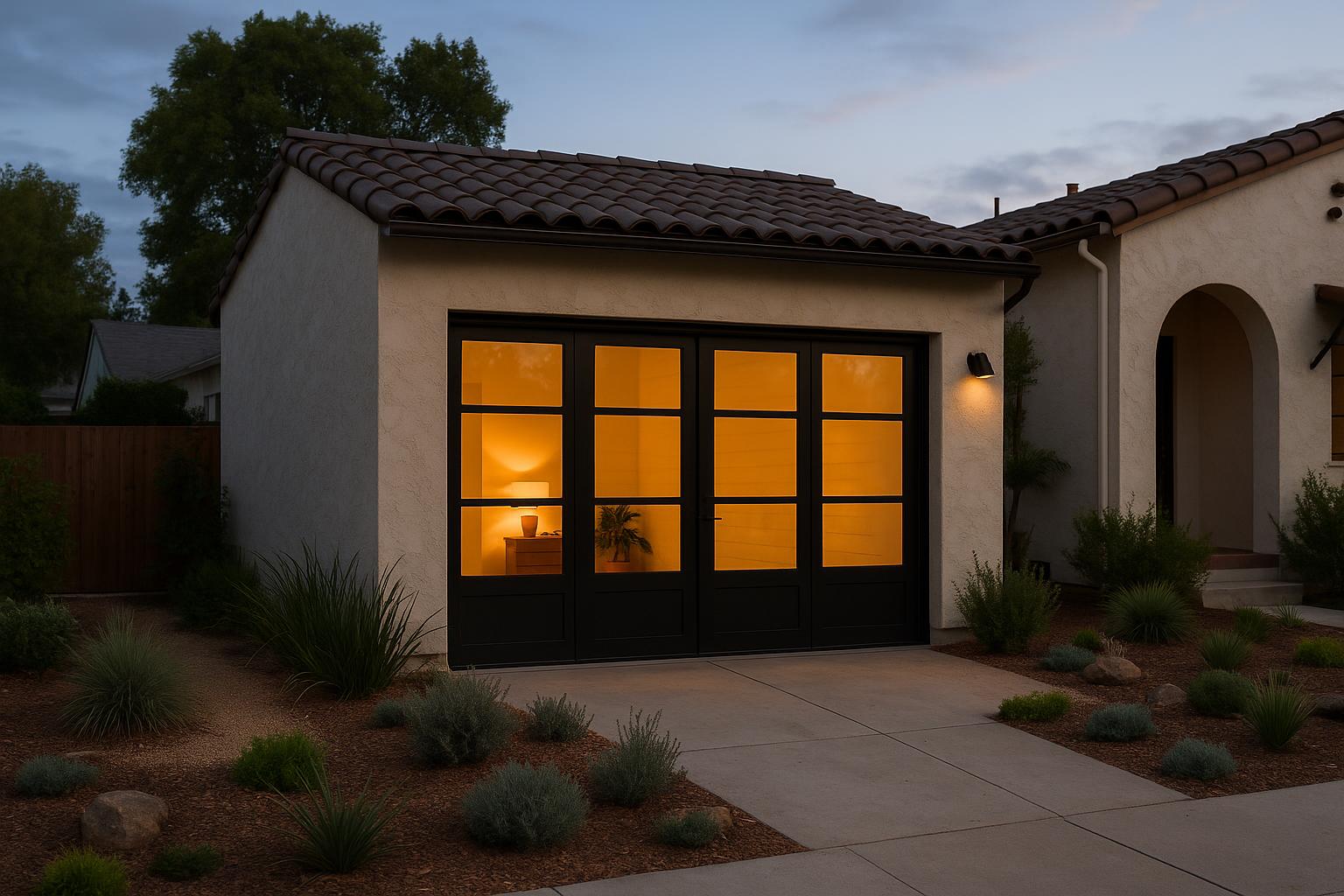
Why San Diego Homeowners Are Converting Their Garages
If you've ever looked at your garage and seen nothing but dusty storage bins and a car that mostly sits in the driveway anyway, you're not alone. Across San Diego, homeowners are realizing that their underused garages represent hundreds of square feet of untapped potential. Whether you need a home office, a rental unit, a guest suite, or a space for aging parents, a garage conversion is one of the most cost-effective ways to add functional living space without expanding your home's footprint.
With rising property values and a competitive housing market, converting a garage can be a smart financial move too. Let's walk through everything you need to know before starting a garage conversion project in San Diego.
What Exactly Is a Garage Conversion?
A garage conversion transforms an existing attached or detached garage into a finished, habitable living space. Unlike building an addition from the ground up, a conversion works within the existing structure — the walls, roof, and foundation are already in place. That means less construction time, lower costs, and fewer structural hurdles compared to a traditional home addition.
Common uses for converted garages include:
- Accessory dwelling units (ADUs) — fully independent living spaces with a kitchen, bathroom, and sleeping area
- Home offices or studios — dedicated workspaces separate from the main house
- Guest suites or in-law quarters — comfortable spaces for visiting family or aging parents
- Rental units — income-generating spaces in a city where rental demand is consistently high
- Playrooms, gyms, or media rooms — lifestyle upgrades for growing families
Permits and Regulations in San Diego
One of the first questions homeowners ask is whether they need a permit for a garage conversion. The short answer is yes. In the City of San Diego, converting a garage into habitable space requires building permits, and the finished space must meet California Building Code standards for things like ceiling height, ventilation, natural light, egress, insulation, and fire safety.
If you're converting your garage into a full ADU — meaning it will have its own kitchen, bathroom, and entrance — additional regulations apply under California's ADU laws. The good news is that state legislation passed in recent years has made it significantly easier and more affordable to build ADUs, including garage conversions. Many of the previous barriers, such as parking replacement requirements and excessive impact fees, have been reduced or eliminated.
Here are a few key requirements to keep in mind:
- Minimum ceiling height: Habitable rooms generally require a minimum ceiling height of 7 feet 6 inches, though some exceptions exist for converted spaces.
- Natural light and ventilation: Each habitable room needs windows that meet specific size requirements.
- Electrical and plumbing: If you're adding a kitchen or bathroom, new plumbing and upgraded electrical service will be necessary.
- Insulation and energy compliance: The space must meet Title 24 energy efficiency standards, which means insulating walls, floors, and ceilings that were previously uninsulated.
- Parking: Under current California law, you typically do not need to replace lost parking spaces when converting a garage to an ADU, especially if you're near public transit.
Working with an experienced contractor who understands San Diego's permitting process can save you weeks of delays and ensure your project stays compliant from start to finish.
What Does a Garage Conversion Cost?
Costs vary depending on the scope of the project, but garage conversions are generally much more affordable than building a new addition. For a basic conversion — think insulation, drywall, flooring, lighting, and HVAC — homeowners in the San Diego area can expect to spend roughly $30,000 to $70,000. If you're building a full ADU with a kitchen and bathroom, costs typically range from $80,000 to $150,000 or more, depending on finishes and complexity.
Factors that influence cost include:
- Whether you're adding plumbing for a bathroom or kitchen
- The condition of the existing garage slab and structure
- Electrical panel upgrades
- The level of finish — basic versus high-end materials
- Whether the garage door opening is being framed in with a new wall
Even at the higher end, a garage conversion typically costs significantly less per square foot than a ground-up addition, making it one of the best values in home remodeling.
Design Tips for a Successful Conversion
A well-designed garage conversion should feel like a natural extension of your home, not an afterthought. Here are some design considerations that make a big difference:
Address the Floor Level
Most garage floors sit a few inches lower than the main house and slope toward the garage door for drainage. Leveling or raising the floor is an important step to create a comfortable, code-compliant living space. Options include pouring a new layer of concrete or building a raised subfloor.
Maximize Natural Light
Garages are notoriously dark. Replacing the garage door with a framed wall that includes windows — or adding windows on side walls — transforms the space dramatically. If your garage is detached, consider adding a sliding glass door to connect indoor and outdoor living areas, which is especially appealing in San Diego's year-round mild climate.
Plan for Climate Control
Garages are not insulated or climate-controlled by default. Adding proper insulation and a dedicated HVAC system — whether a mini-split heat pump or an extension of your existing system — is essential for comfort in every season.
Think About Storage
Losing garage storage is one of the biggest concerns homeowners have. Plan ahead by incorporating built-in cabinets, closets, or shelving into the conversion design. You might also consider adding a small storage shed elsewhere on your property to compensate.
Return on Investment
In a market like San Diego, where housing demand is strong and property values continue to climb, a garage conversion can deliver an impressive return on investment. If you're creating a rental ADU, the monthly rental income can help offset your mortgage or pay back the construction cost within a few years. Even if you're not renting the space, the added square footage increases your home's appraised value.
Homeowners in neighborhoods like La Mesa, Chula Vista, El Cajon, and National City are increasingly turning to garage conversions as a practical way to add value without the cost and complexity of a full addition. In Coronado, where lot sizes are limited and new construction is tightly regulated, a conversion can be especially appealing.
Is a Garage Conversion Right for You?
If you have an underused garage and need more living space, a conversion is worth serious consideration. It's faster than building new, more affordable than an addition, and — when done right — adds real, lasting value to your property.
The key is working with a contractor who specializes in this type of work and understands the local building codes, permit process, and design challenges unique to garage conversions. At Metro ADU Specialists, we've helped homeowners throughout San Diego turn overlooked garages into beautiful, functional spaces that serve their families and their financial goals. If you're curious about what's possible with your garage, we'd love to talk through your options.